
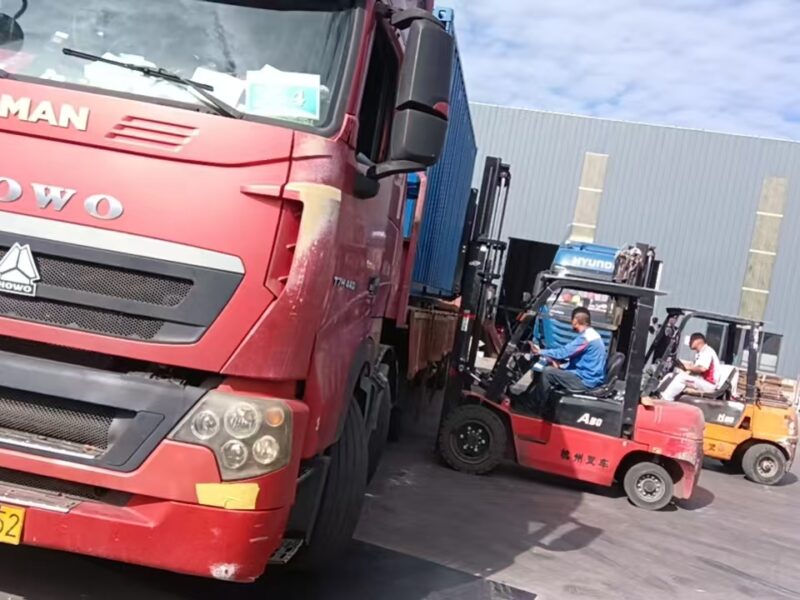
Palm oil is one of the world’s most traded edible oils, with millions of tons shipped globally every year from Southeast Asian producers to markets across Asia, Africa, the Middle East, and Europe. While bulk vessels handle the largest volumes, flexitanks are rapidly gaining ground as a more cost-effective and efficient alternative for medium-volume shipments and destinations without bulk port infrastructure.
The Cost Comparison: Drums vs. Flexitanks
For a typical 20ft container shipment of refined palm oil, the numbers tell a compelling story. Food-grade flexitanks carry 24,000 liters per container compared to approximately 18,000 liters with steel drums — a 33% increase in payload. When you factor in packaging costs, handling fees, loading time, and disposal expenses, flexitanks can reduce total logistics costs by 20-40% per shipment.
Key Advantages for Palm Oil Shippers
1. Higher Payload Per Shipment
The most significant advantage of flexitanks is the 30%+ increase in volume per 20ft container. More product per container means fewer shipments, lower freight costs per metric ton, and a reduced carbon footprint per unit of product — a major selling point for sustainability-conscious buyers.
2. Reduced Risk of Contamination
Food-grade flexitanks are designed for single use, eliminating cross-contamination risks that come with reconditioned drums. Each flexitank is factory-sealed and pressure-tested before shipping, ensuring product integrity from loading to discharge. This is especially critical for food-grade palm oil products destined for human consumption.
3. Faster Loading and Unloading
Flexitank loading takes just 1-2 hours per container, compared to 4-6 hours for drum loading. This means faster turnaround times at ports and reduced demurrage charges on both loading and unloading sides. For high-volume shippers, the time savings alone can justify the switch.
4. Lower Total Logistics Cost
When you combine packaging, handling, loading, freight, and disposal costs, flexitanks consistently come out ahead of drums. For palm oil producers operating on thin margins, these savings can make a real difference to the bottom line.
Adoption Trends in Southeast Asia
Malaysian and Indonesian palm oil producers have been at the forefront of flexitank adoption in the region. Many mid-sized and large palm oil companies now use flexitanks for:
- Export to Middle East and African markets
- Domestic distribution from refineries to packaging plants
- Smaller volume shipments where bulk vessels are not economical
Considerations When Switching to Flexitanks
While the benefits are clear, companies should consider:
- Product compatibility: Most edible oils work well with food-grade PE flexitanks
- Loading equipment: Ensure proper loading pumps and hoses are available
- Installation: Check for installation services at loading and unloading ports
- Quality assurance: Work with reputable suppliers with proper certifications (FDA, HACCP, Halal, Kosher)
Zonghai Plastics supplies food-grade flexitanks certified by FDA, HACCP, Halal, and Kosher — ideal for palm oil and other edible oil transportation. Contact our team today to learn more about how flexitanks can optimize your logistics.